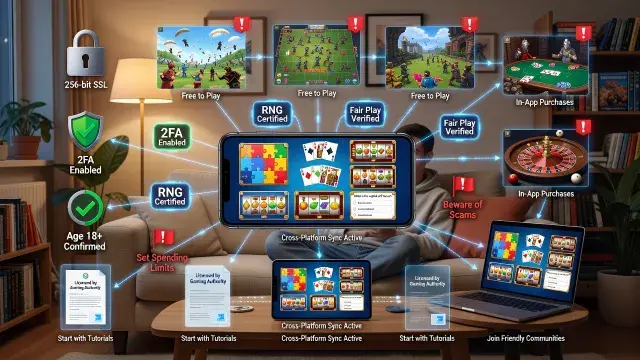
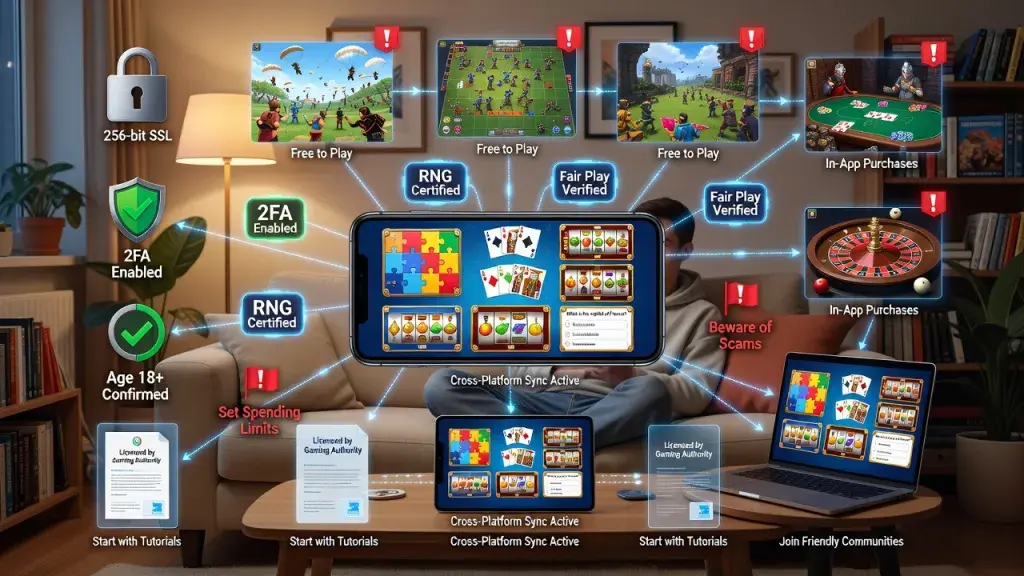
A ten-minute coffee break is now enough time to complete a puzzle level, finish a card match, or spin a slot reel three or four times. That compression of entertainment into small pockets of free time explains why online gaming has quietly become one of the largest leisure activities on the planet, outpacing many traditional forms of media in daily engagement. The appeal isn't complicated: instant access, low commitment, and enough variety to suit almost any mood.
Yet for someone new to the space, the sheer volume of options can feel disorienting. Card games, arcade classics, strategy titles, casino-style entertainment, trivia apps - the catalog is enormous, and not every platform operates the same way or offers the same level of transparency. Some readers land on a site like artemisbet games looking for a straightforward experience, only to realize they don't fully understand how the underlying systems work, whether their data is protected, or what separates a fair platform from a questionable one.
This piece breaks down the practical side of online entertainment gaming: the categories worth knowing, the mechanics behind them, the real costs involved, and the safety considerations that matter before you commit any time or money. Whether you're a curious beginner or someone looking to sharpen how you choose platforms, the goal here is clarity over hype.
What Types of Games Are Available Online
The phrase "online game" covers far more ground than most people assume. Understanding the categories helps narrow down what actually fits your interests, rather than getting overwhelmed by an app store's front page.
Casual and Puzzle Games
These are low-stakes, short-session games built around simple mechanics - matching tiles, word formation, physics-based puzzles. They're designed for pick-up-and-play use, with no long-term learning curve.
Multiplayer and Competitive Games
This category includes team-based shooters, battle royales, and strategy titles where players compete in real time against others across the globe. Skill progression matters here far more than in casual formats.
Card, Table, and Casino-Style Games
Digital versions of poker, blackjack, roulette, and slot-style entertainment fall under this umbrella. These games often blend chance with light strategy and tend to attract players looking for a more structured, rules-based experience.
Trivia, Simulation, and Role-Playing Games
Simulation games let players build, manage, or role-play within a constructed world, while trivia games lean on knowledge and quick reflexes. Both categories reward repeated play through progression systems or leaderboards.
- Puzzle and casual titles for short sessions
- Competitive multiplayer games for skill-based play
- Card and casino-style games for structured, rules-driven entertainment
- Simulation and role-playing games for long-term engagement
How Do Online Games Work
Behind every online game sits a server-client relationship. Your device - the client - sends inputs to a remote server, which processes the game logic and sends results back. This is why a stable connection matters more for real-time multiplayer titles than for single-player puzzles that only sync occasional progress data.
Server-Based vs Client-Based Games
Some games run almost entirely on your device, using the internet only to save progress or fetch content updates. Others depend on constant server communication, particularly multiplayer and casino-style games where fairness and synchronization are non-negotiable.
Random Number Generation and Fair Play Systems
Games involving chance - slots, card draws, dice-based mechanics - rely on random number generators (RNGs) to determine outcomes. Reputable platforms have these systems independently tested to confirm results aren't manipulated in favor of the house or against the player.
Account Systems and Progress Tracking
Most platforms tie your activity to an account, which stores progress, purchases, and settings. This is also the layer where security matters most, since account credentials are the primary target for bad actors.
Are Online Entertainment Games Free to Play
Cost structures vary widely, and understanding them prevents unpleasant surprises after you're already invested in a game.
Free-to-Play with In-Game Purchases
The majority of casual and mobile games use this model. The core experience costs nothing, but cosmetic items, extra lives, or faster progression are sold separately. Spending is optional but designed to feel tempting at key moments.
Subscription and Premium Models
Some games charge a flat fee upfront or a recurring subscription for full access. This model is more common in simulation and strategy genres where ongoing content updates justify a subscription structure.
Real-Money Formats
Casino-style and certain skill-based games involve real-money stakes. These platforms typically require age verification and regulatory compliance, and costs here depend entirely on how much a player chooses to wager.
Which Games Are Suitable for Beginners
Not every genre is a good entry point. Beginners benefit from games with low complexity, clear rules, and forgiving learning curves.
Low-Complexity Casual Games
Match-three puzzles, word games, and simple card games are ideal starting points because mistakes carry no real consequence and rules are learned within minutes.
Games with Built-In Tutorials
Look for platforms that walk new players through mechanics step by step. A well-designed tutorial signals that the developer values player retention over quick monetization.
Games with Adjustable Difficulty
Titles that let you scale challenge level allow beginners to build confidence gradually rather than facing steep difficulty spikes that cause early frustration and drop-off.
Can I Play Online Games on Mobile
Mobile has become the dominant platform for online entertainment gaming, and for good reason: it's always in your pocket.
Native Apps vs Browser-Based Games
Native apps generally offer smoother performance and offline functionality for certain features, while browser-based games skip the download entirely, trading a bit of speed for convenience.
Performance and Data Considerations
Graphically intensive multiplayer games consume more data and battery than simple puzzle apps. If you're playing on a limited data plan, checking a game's size and network requirements before installing saves frustration later.
Cross-Platform Play
Many modern titles sync progress across mobile, desktop, and tablet, letting you start a session on one device and continue on another without losing standing.
How to Choose the Best Online Game
With thousands of options available, selection criteria matter more than raw quantity.
Matching Game Type to Available Time
If you only have ten-minute windows throughout the day, a deep strategy game will frustrate rather than entertain. Match the game's session length to your actual lifestyle.
Checking Reviews and Reputation
Player reviews reveal patterns - recurring bugs, aggressive monetization, unresponsive support - that marketing material won't disclose.
Evaluating Platform Transparency
Clear terms of service, visible licensing information, and accessible customer support are strong indicators of a platform worth trusting.
- Session length that fits your schedule
- Independent reviews and community feedback
- Transparent terms, licensing, and support channels
Are Online Games Safe for Players
Safety spans more than just fair outcomes - it includes data protection, financial security, and responsible design.
Data Privacy and Account Security
Strong platforms use encryption for transactions and offer two-factor authentication. Avoid any service that asks for more personal information than the game genuinely requires.
Financial Protections for Real-Money Games
Licensed real-money platforms are required to segregate player funds from operational funds and maintain verifiable fairness testing for their game outcomes.
Recognizing Red Flags
Unclear ownership information, no visible licensing, and pressure tactics to deposit quickly are warning signs worth taking seriously before creating an account.
What Are the Benefits of Playing Casual Games
Beyond entertainment, casual gaming carries genuine, well-documented cognitive and emotional advantages.
Stress Relief and Mental Breaks
Short, low-stakes gameplay sessions function similarly to other brief relaxation activities, giving the brain a structured break from ongoing tasks.
Cognitive Engagement
Puzzle-based mechanics exercise pattern recognition, memory, and quick decision-making, offering light mental stimulation without demanding sustained focus.
Social Connection
Many casual games include leaderboards or shared challenges, creating light social interaction even in single-player formats.
Where Can I Find New Online Entertainment Games
Discovery matters as much as selection, especially since the market shifts constantly.
App Stores and Curated Lists
Official app store categories and editorial "staff picks" sections remain a reliable starting point for vetted, functional titles.
Community Recommendations
Gaming forums and player communities often surface hidden titles well before they reach mainstream visibility, along with honest feedback on quality.
Developer and Publisher Channels
Following established developers directly can lead you to new releases, betas, and updates before they're widely publicized elsewhere.
Frequently Asked Questions
What are the most popular online entertainment games right now?
Popularity shifts by region and platform, but casual puzzle games, competitive multiplayer titles, and casino-style games consistently rank among the most played categories due to their accessibility and short session design.
Do I need a powerful device to play online games?
Most casual and browser-based games run smoothly on standard smartphones or laptops. Only graphically demanding multiplayer titles require higher-end hardware.
How can I tell if a game is manipulating outcomes unfairly?
Check whether the platform discloses independent fairness testing or RNG certification. Absence of this information, paired with consistently unfavorable results, is a legitimate reason for concern.
Is it normal to spend money on a "free" game?
Yes, optional purchases are part of the free-to-play business model, but spending should always remain a choice, not something the game pressures you into through manipulative design.
Can children safely play online entertainment games?
Age-appropriate casual and educational games are generally safe, but parents should review content ratings and avoid platforms involving real-money mechanics or unmoderated chat features.
How often should I take breaks while gaming?
Short breaks every 45 to 60 minutes help prevent eye strain and mental fatigue, particularly during longer multiplayer or strategy sessions.